
If All Sports Fans Are Local Why Is Rogers Killing Local Sports Radio?
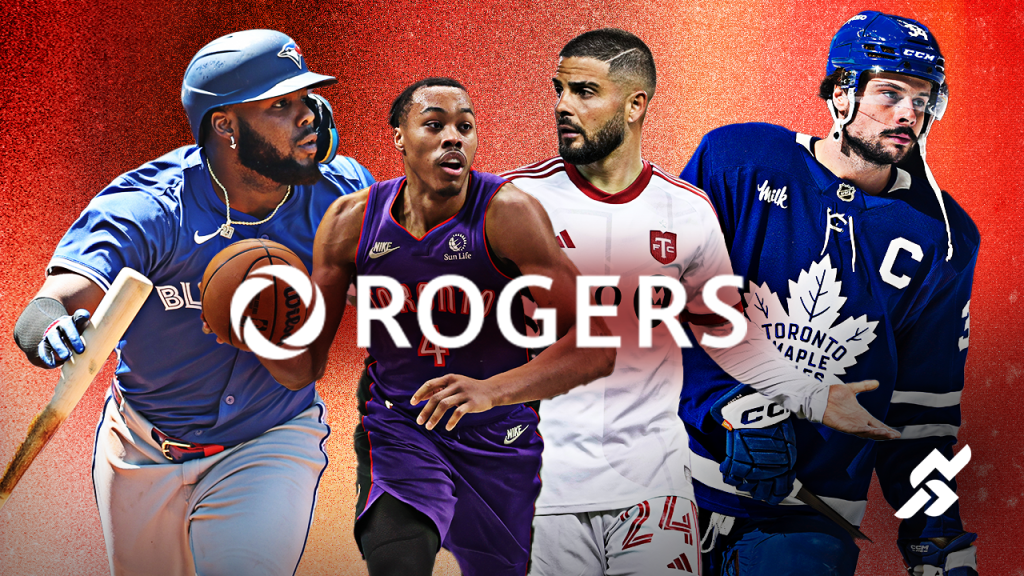
People in Canada’s sports business were shocked to learn that Rogers shuttered six of its sports talk radio stations across the country, in what it apparently considers to be smaller markets like Vancouver and Calgary, the nation’s third and fourth largest cities.
Predictably Toronto programming was spared the death penalty, as owners preferred to slowly starve those parts of their stressed business model— now being propped up by the feds. Look for simulcasting or online to take up the slack for play-by-play obligations. Either way, coming in the wake of Rogers’ recent $5.3B acquisition of the remaining shares in MLSE, it’s not a good look.
We can speak to this subject as we earned out PhD in sports talk radio from the mid-80s to the 2020s in markets across the country. When we started as the sports anchor on CBL Radio in Toronto there was no such thing as a dedicated radio channel talking sports 24 hours a day. Even in sports-crazy markets like Montreal, Toronto or Vancouver— where people were obsessed with the Habs, Leafs or Canucks— sports was a subject that dare not speak its name in prime times.
Different markets had evening shows, some weekend talk (usually purchased) and a handful of local stars like Bob McCown, Ted Tevan, Scott Taylor, Billy Powers. Typically they were there to supplement the broadcast rights to the local NHL, MLB or CFL team— where the real money was.
But if a sports story broke it had to be huge to warrant interrupting the Music Of Your Life or call-in political shows. If there was a big trade or signing you damn well had to wait for it on a 6 PM newscast or in the dead zone after dinner. Or catch it the next morning on your favourite wakeup show. (Where we started on CBL in 1984.)

So the advent of sports talk radio was a revelation to fans. At first it started small with guys like McCown on Foster Hewitt’s old CKFH. But the advent of the Blue Jays pushed advertisers to the stations carrying the games. Rights migrated from music stations to dedicated all-sports talk. As first one then another market converted to all sports. It was like Xmas every day. But would it last?
The stations were influential. The opinions of the lead voices were repeated across the fan base. In more than one city the loudest voices reverberated in the owners’ box. They had to grin and bear it. Often the stations were owned by friends or partners of the owners, usually one of the chains, and the music/ news people were happy to get sports out off their hair.
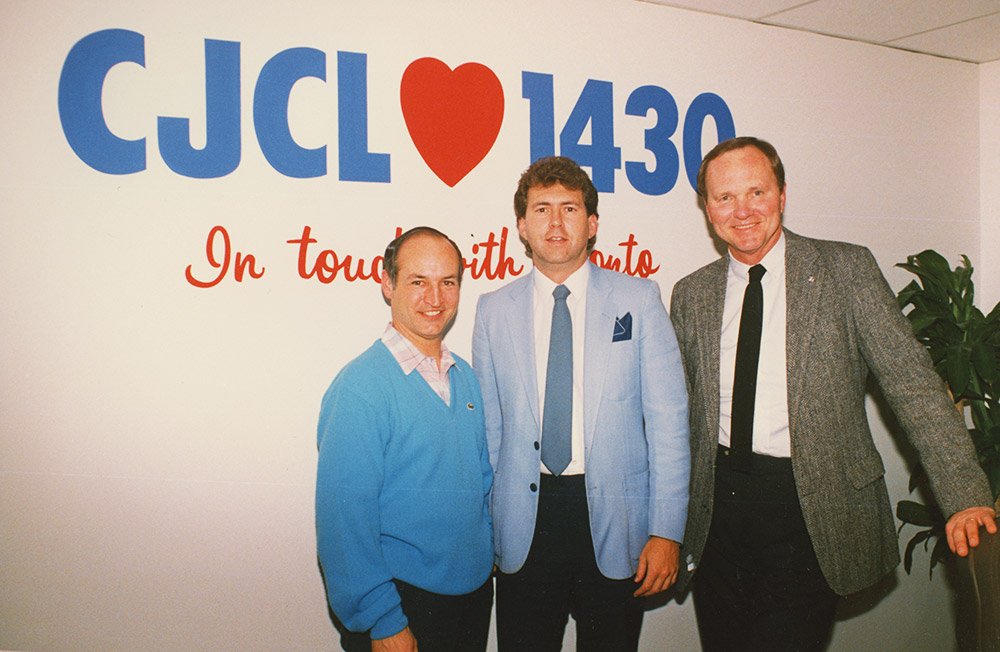
The 1980s/ 90s/ 2000s were the glory days of the format as rival Rogers, CHUM and Bell competed for ears to supplement their TV packages. In addition to doing ten shows a week on CBC YTV, from 1995-96 we produced a 9-11 AM show with Steve Paikin on The Fan 590 and we were a presence on panels or co-hosting shows at the station. Spoiler: It was fun.
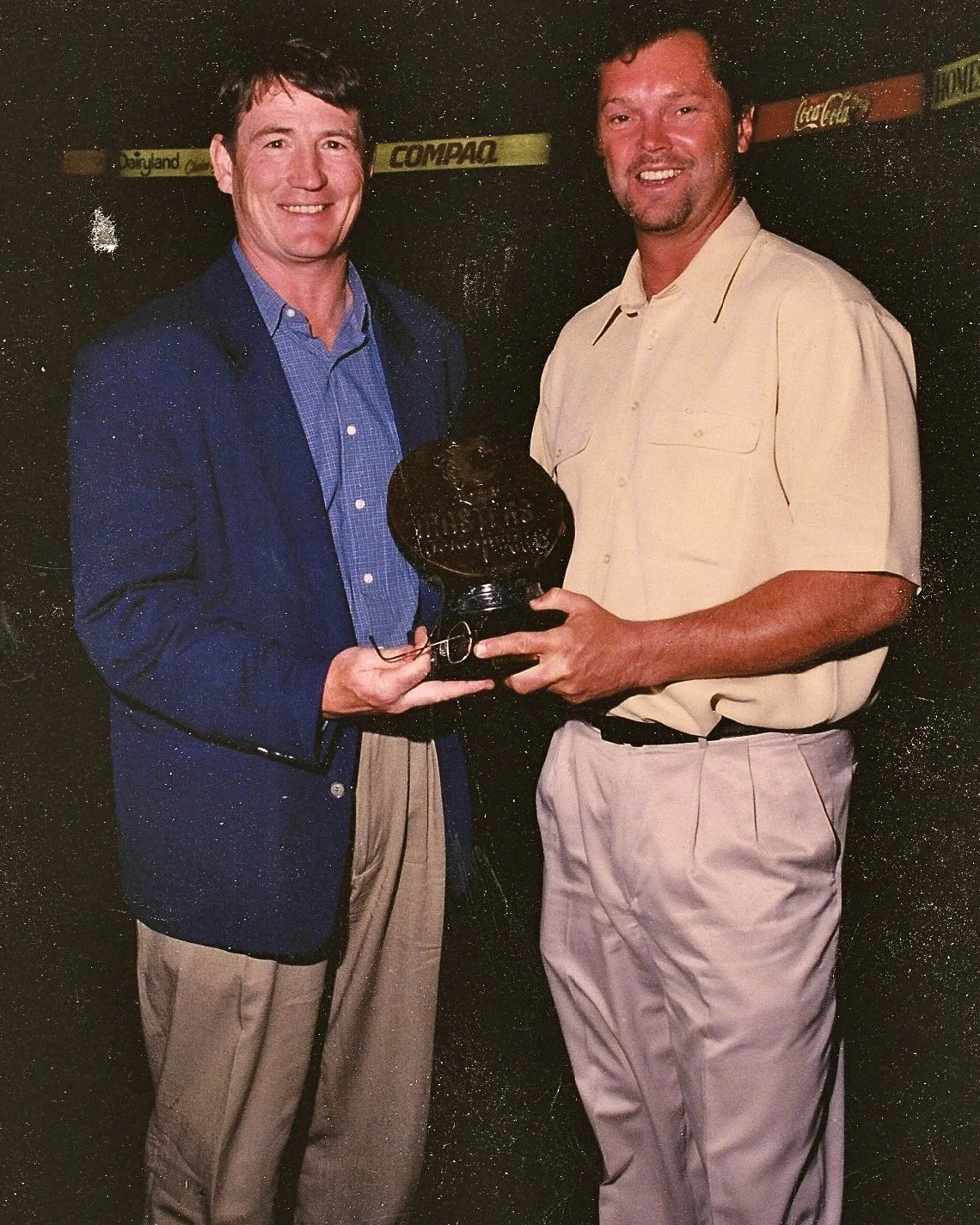
As the 90s ended, we were also hosting morning sports updates for the CBC Radio chain. When the very early morning alarm clock got to be too taxing we took a position in Calgary with the Herald. That allowed us to have a steady presence hosting or guesting on the FAN 960 with people like Mike Richards and Boomer Molberg . Just as in Toronto we found the Calgary sports radio audience to be passionate and engaged.
The problem was always making enough ad money to keep the station going in the NHL offseason or MLB sked. While the morning drive hosts made a decent buck the rest of the staff were paid in best wishes and proximity to pro sports. Even then it was a struggle. As the legacy media came more and more to rely on government handouts you knew it would be just a mater of time till the suits in Toronto, saddled with the massive NHL contract, sacrificed sports radio to save themselves.
If you want to know how bad the status quo has become then take a quick peek at the stock price for Corus or the other big boys. As we warned back in 2019, the cost of Rogers acquiring exclusive rights to the NHL in Canada was a death wish.
“For a short time it was great to be able to put two words together on air. Then bad luck hit Rogers. In the contract’s second year no Canadian teams made the 2016 playoffs— the breadbasket for TV revenues. Ratings cratered, ad revenues suffered. (Only one year— 2017— has seen more than three Canadian teams make the postseason; none have made the Cup Final.) Digital numbers were acceptable; digital revenues were not.
Worse, fans never shook the habit of turning to TSN on Draft Day or Trade Deadline Day. Rogers’ expensive experts could never seize the advantage of having all the prime games. NHL commissioner Gary Bettman was unsympathetic, demanding that Sportsnet continue expensive initiatives it had promised as part of winning the contract.”
Heads rolled, services were cut, the new tech proved a disappointment. Most of all, however, was the inability/ unwillingness to cope with new world of the internet and podcasting. To paraphrase F. Scott Fitzgerald, the collapse came slowly at first and then, suddenly, very fast. The Calgary audience built slowly by Mike Richards disappeared overnight. Did we mention the disappearance of Don Cherry?
Which resulted (according to Rogers), “from October to May of this past year, its Calgary sports radio station had an average of just 1,200 listeners. The Vancouver sports station had an average audience of 2,100 listeners during that same period.” Cleary off-hours and the offseason were dragging down the numbers, but a sunset format on struggling teams was unsustainable.
Consumers had alternatives to conventional sports talk. SiriusXM had a menu of sports properties and personalities. Games could be viewed on laptops and watches. The American giants encroached into the cozy world of local sports. While fans remained as dedicated as ever to their teams, the locals carriers had to accept incursions into their monopolies on talk.
Resulting in last week’s inevitable blood bath. Having seen— and been a victim of—several format changes/station closures we know how badly those involved feel. Sometime it’s just one person making too much money. More often it’s the indifference of people who are not sports fans or local. As one CBC suit told us when they cut our three award-winning sports at once (in favour of a traffic/ weather format), “You’ll be okay. No grass grows under your feet.” (Their new format lasted six months.)
Gee, thanks. The only consolation we can give the affected people is we had a range of experiences after the fall. You can too. In a wide-open world of X and others there will be opportunities for them. Seize them.
Bruce Dowbiggin @dowbboy is the editor of Not The Public Broadcaster A two-time winner of the Gemini Award as Canada's top television sports broadcaster, his 2023 book Inexact Science: The Six Most Compelling Draft Years In NHL History, was voted a Top 20 greatest professional hockey books of all time by bookauthority.org . https://www.amazon.ca/dp/1770415300?linkCode=gs2&tag=uuid0a1-20 His previous book with his son Evan, Deal With It: The Trades That Stunned The NHL And Changed Hockey is now available on Amazon. His new poetry collection In Other Words is available via brucedowbigginbooks.ca and on Kindle books at https://www.amazon.ca/dp/106980270