
Do All Roads Lead South For American NHL Stars?
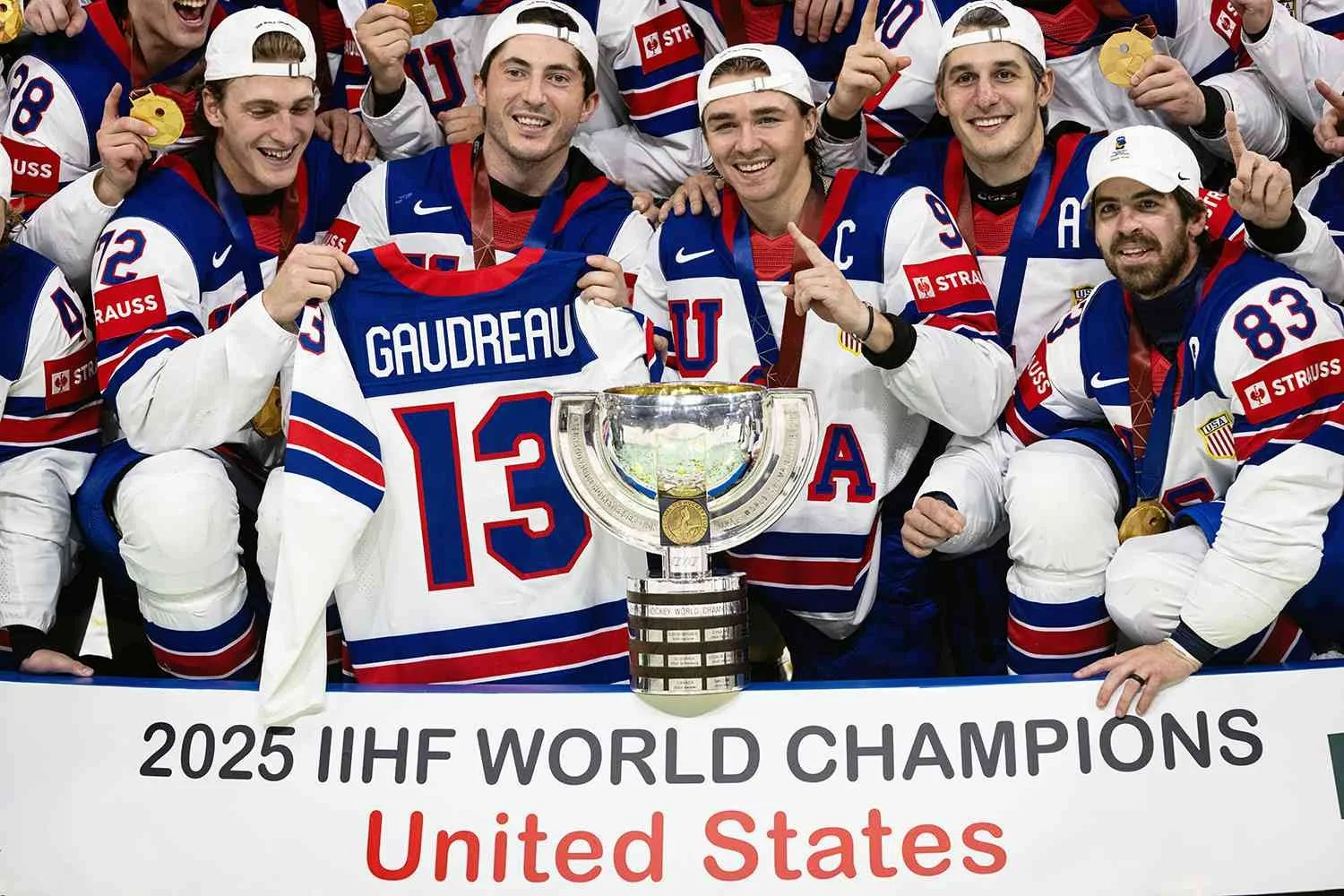
It’s been a year of mixed messages for Canadian mens hockey in 2026. The defeat at the hands of the Americans in the Winter Olympics was added to the loss in the Mens U18 at the World Juniors. No Canadian team made it past the second round the NHL playoffs.
In the postseason, NHL clubs began shedding their American stars to America rivals. U.S. star Brady Tkachuk forced a trade to join his brother Matthew on the Florida Panthers. America stars on Canadian teams like Auston Matthews and Connor Hellebuyck were also said to be looking for trades to warm-weather states that have no income tax.
To top it off, Canadian NHL teams at this past weekend’s draft were weighing the risks of drafting American players who might scram south when their rookie contracts are done. Canadian NHL teams not willing to waste resources on developing players, wrestled with the dilemma of expending a top choice on any American prospect who might leave when his options.
Only one of the seven Canadian teams drafted an American in the first round, opting for Swedes and Finns instead. And that was a second choice of Calgary after choosing a defenceman in the 30th spot. Finding franchise players is harder as the percentage of Canadians has nosedived from the days of Canadians exclusively,
The current demographics for NHL players is 41 percent Canadian; 29.6 percentage American; 9.5 percent Swedish; and the rest spread out over Europeans. In 2022 American players represented 28.4 percent of all players in the league while Canadians— who were once 100 percent of players— constituted just 43.2 percent of players
The flight or fight dilemma is not new. It was also an issue in July of 2022 as we followed the free-agent defection from Calgary of American Johnny Gaudreau, now deceased. Gaudreau made it clear he wanted to take a free agent deal from a team, any team, in the U.S. Northeast.

“The canary in this coal mine was the wrenching decision by UFA Johnny Gaudreau to take a $15 M haircut to leave western Canada for the Excited States. After much stalling the star winger claimed he wanted to go home so his wife could have their baby in the USA. (Ironically Gaudreau’s parents are Quebecois.) Fair enough.
While he didn’t end up in his preferred venues of Philadelphia or New Jersey, Gaudreau did make it as far as Columbus, Ohio. The optics were terrible for Calgary which pulled out all the financial stops to induce him to stay. What message did it send to other RFAs about the market if stars like Gaudreau will take a huge financial hit just to escape a smaller Canadian market? Or to players drawing up No Trade clauses?
Making it even more galling for Calgary fans, their provincial rivals in Edmonton had sewed up their franchise stars, Canadians Connor McDavid and Ryan Nugent Hopkins plus German Leon Draisitl, on long-term deals.
Things then got worse when Gaudreau’s linemate and pending UFA Matthew Tkachuk also told the Flames to send him stateside. Calgary GM Brad Treliving turned Tkachuk lemons into lemonade, obtaining three players from Florida, including pending UFA Jonathan Huberdeau who matched Gaudreau’s 115 points in 2021-22. But it was a near-run thing.
The gasping sound you heard as all this was playing out was from Toronto fans, whose franchise star Matthews is heading into his UFA season unsigned. Might California-born Matthews leave millions on the table to return south to America? Toronto has many advantages over, say, Calgary, Edmonton, Ottawa or Winnipeg. But if the desire to play in the U.S. is strong, how can the Maple Leafs deny Matthews his desire to flee south and escape Trudeaunomics?
Which leads us to the sticky wicket of what should Canadian franchises do about drafting or trading for American players, particularly those with leverage? With the current Canadian government intent on making cross-border travel into a Kafkaesque experience there are many reasons U.S. products can cite for preferring to play outside Canada.
Predicting Gaudreau-like success at the Draft is problematic. But what about free agency and trades? How many American players have Canadian cities on their no-trade lists? Will the seven Canadian teams be starved of a chance at top U.S. players going forward? It’s not just Winnipeg and Edmonton as cut-outs anymore. Quebec’s new language regimes have put the Habs in the Danger Zone.
On the flip side, will the success of American prospects lead American owners to order their management to favour U.S. players over Canadians in the draft and trading? Outside the first round, if prospects seem even, who would that chauvinistic owner prefer to sell to his season-ticket holders? Ditto in trades. If it’s a question of similar players why would they not want Americans.
Of course winning reigns supreme in Club Gary. But with 31 teams disappointed every year owners may look to other means of entertaining the fans. As has been noted in the past no one ever went broke in America waving the flag. Think of the time saved singing only the Star Spangled Banner. If the percentages of Americans/ Canadian reaches level it could prove very bad news for Canadian NHL teams searching for Mr. Perfect. Or Mr. Tkachuk.”
Sure enough, both Tkachuks have fled. Matthews, Hellebuyck and others are on the way. Canadian NHL owners are now learning the price for owning a team where Americans have better options. Good luck.
Bruce Dowbiggin @dowbboy is the editor of Not The Public Broadcaster A two-time winner of the Gemini Award as Canada's top television sports broadcaster, his 2023 book Inexact Science: The Six Most Compelling Draft Years In NHL History, was voted a Top 20 greatest professional hockey books of all time by bookauthority.org . https://www.amazon.ca/dp/1770415300?linkCode=gs2&tag=uuid0a1-20 His previous book with his son Evan, Deal With It: The Trades That Stunned The NHL And Changed Hockey is now available on Amazon. His new poetry collection In Other Words is available via brucedowbigginbooks.ca and on Kindle books at https://www.amazon.ca/dp/106980270