
The Age of Shoresy and Heated Rivalry Has No Place For HNIC

There has been much gnashing of teeth and rending of garments over the news that the Hockey Night in Canada brand is no more. CBC is holding onto the name even as the Saturday games migrate away from the broadcaster. For the millions who watched the Saturday night staple since it came in air in 1953 it was a constant in turbulent times. As one of our family likes to say, the only constants left from the era of Danny Gallivan and René Lecavalier are HNIC and the equalization fund.
In the age of over-the-air TV and transmitters CBC was the only broadcaster who could guarantee national coverage of the NHL games. So it maintained a distinct advantage over its rivals. But the changes in technology to digital and satellite knocked the legs out from that advantage. CBC was hard pressed to justify tens of millions to show professional hockey, no matter the legacy.
This week’s announcement that HNIC will no longer be a Saturday night fixture is reminiscent of the 2008 sale off the HNIC musical theme when TSN bought the iconic tune for its own hockey telecasts. Many felt that HNIC could not be HNIC without Deloris Claman’s 1968 intro music. Claman forced the move, claiming CBC was using her music in all sorts of unauthorized ways, including as a ring tone.
That dispute forced the move. But it wasn’t long before no one really noticed. They were there for the hockey. And, in the last 30 years, they were there for Don Cherry, who needed no background music. Cherry’s name popped up last weak as his former sidekick was being raked for idiotic remarks about date-rape drugs. The gist being Maclean was forgiven while,Cherry was booted.
While the end of the HNIC brand came this week, the death notice for HNIC came decades ago when the Canadian TV (and later digital) rights to NHL hockey started escalating in cost. For a while CBC was able to hang onto its flagship program while losing the rights for other games and the postseason to Rogers and Bell. But even that fragment couldn’t last.
In the last number of years CBC had no ownership in the NHL rights but, in a deal with Rogers, kept the HNIC broadcasts on CBC to extend its reach. Which led to confusion as many viewers did not realize that the editorial control was at Rogers while the studios were at CBC’s HQ in Toronto. This led to Rogers dodging complaints about everything from Maclean’s puns to editorial bias on the shows.
Our own experience with HNIC was legally fractious as we pursued stories that got in the way of the What Me Worry? slant of the telecasts. Our stories on CBC’s news side from 1990-1998 about the criminal corruption of Alan Eagleson at the NHL Players Association, as a player agent and as the chief honcho for Canadian international men’s hockey at Hockey Canada were largely buried or dismissed for years. Ditto allegations against agent Don Meehan’s shady dealings and conflicts.
On one hand the desire to concentrate on the hockey was understandable, Advertisers and most fans don’t like bad news. But the frequent intersection of Eagleson in so many areas of the sport could not be ignored or downplayed. On many occasions over that long stretch they were ignored. (Thankfully CBC News did not acquiesce to the see-no-evil approach.)
When we brought up this negligence to some producers and executives we were told we were just jealous of the success of HNIC. It was only in the final years before Eagleson went to jail that the story was given oxygen on HNIC. (In their defence the other sports networks also stuck their heads in the sand about Eagleson and other contentious legal stories in hockey.)
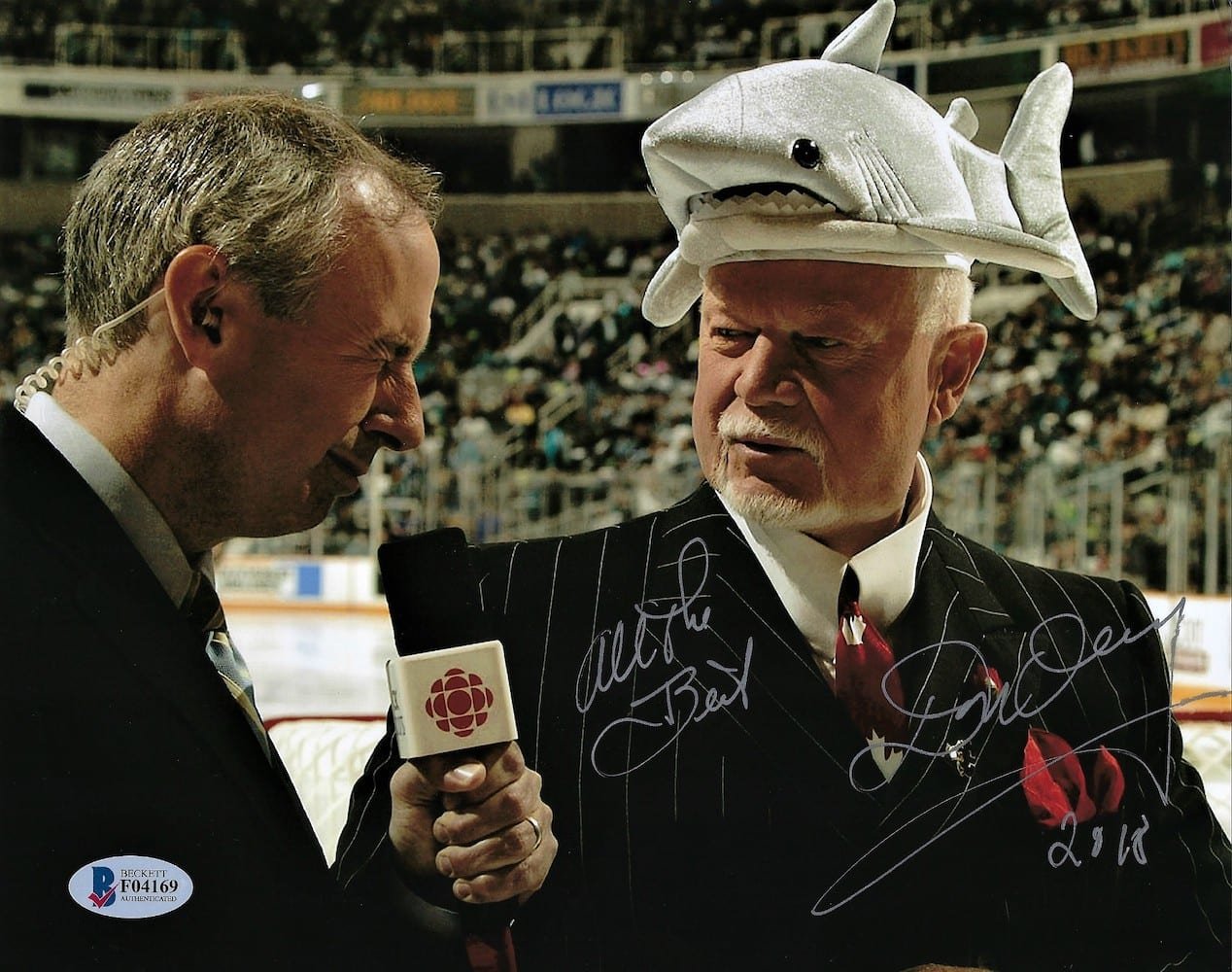
When we migrated from CBC to the Calgary Herald and later the Globe and Mail our source if friction was the bombastic Cherry. Like Donald Trump today, you either loved him or hated him. While we disagreed with much of what he said about hockey’s Slap Shot code of honour and violence we never advocated he be taken off the air. Even after he told the TV audience we didn’t care about kids with cancer or would not defend our own kids in a fight.
Where we disagreed was with HNIC’s obsession with Cherry’s brand to th detriment of the show. While Maclean was the nominal counter to Cherry he mostly succumbed to Cherry’s predictable bromides about fighting and honour. There was little attempt to expand the editorial content past the 1960s-70s old guys’ rants. New voices and new ideas were ignored. (Technical innovations did not suffer the same fate.)
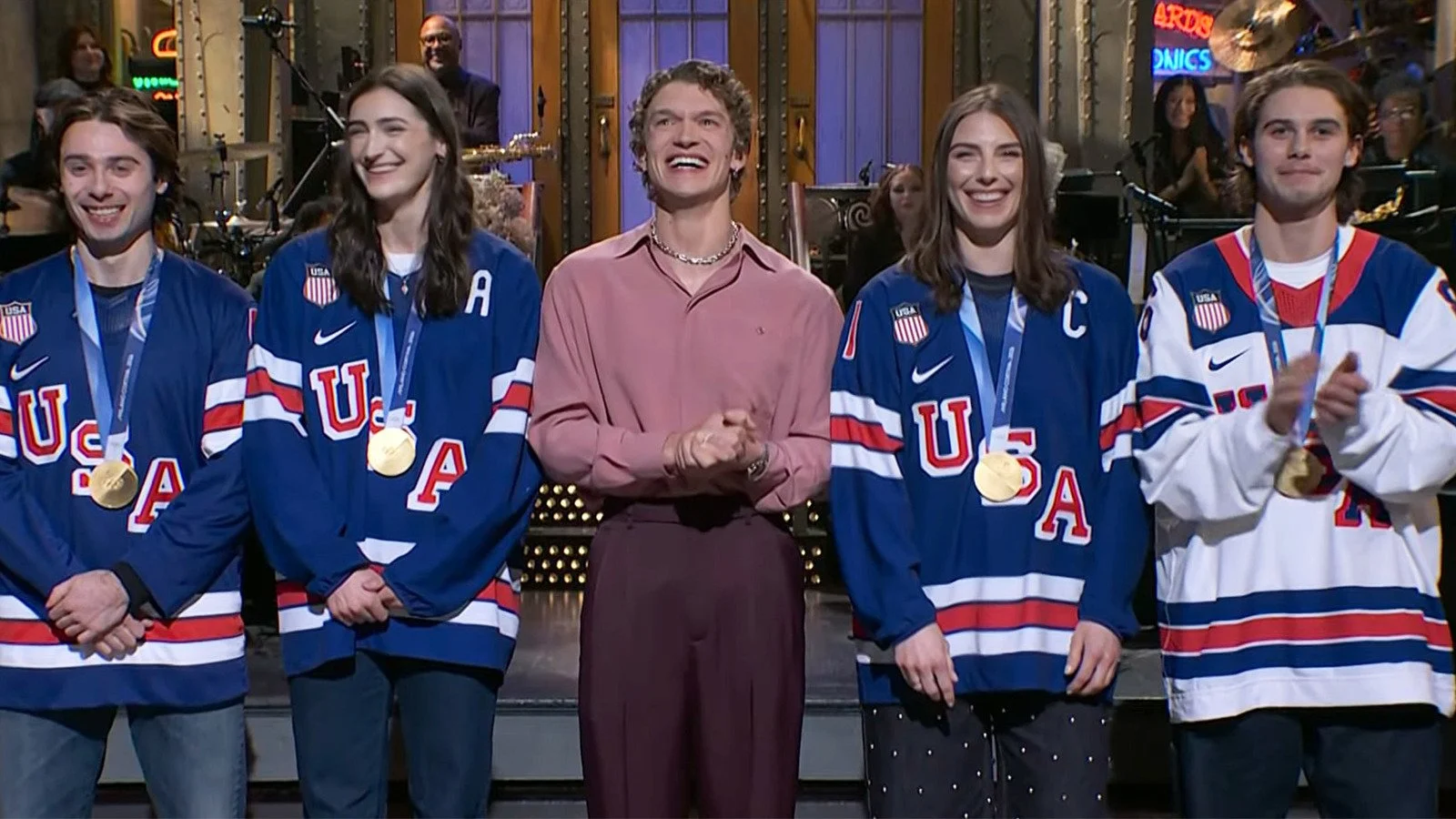
If the show truly had its finger on growing the audience the erotic gay pop phenomenon of Heated Rivalry wouldn’t have been such a secret to the prudes. It takes a lot of hubris to think you can ignore hundreds of thousand of consumers of romantic hockey fiction. Needless to say this concept was poorly received by execs who want women doing white board instead of white heat.
If we had our way the show would be hosted by Shoresy and his bilingual pals. But that ship has sailed. So now we are left with a defunct brand but many of the same voices as always. The downside for Boomer hockey fans is the loss of the memories of Danny Gallivan, Jim Robson, Bob Cole and others. The upside is that, in a digital era, the games will still be on other outlets and most of the on-air talent will be the same Rogers DEI mix of names.
Maybe Ron Maclean will finally find some gay hockey players.
Bruce Dowbiggin @dowbboy is the editor of Not The Public Broadcaster A two-time winner of the Gemini Award as Canada's top television sports broadcaster, his 2023 book Inexact Science: The Six Most Compelling Draft Years In NHL History, was voted a Top 20 greatest professional hockey books of all time by bookauthority.org . https://www.amazon.ca/dp/1770415300?linkCode=gs2&tag=uuid0a1-20 His previous book with his son Evan, Deal With It: The Trades That Stunned The NHL And Changed Hockey is now available on Amazon. His new poetry collection In Other Words is available via brucedowbigginbooks.ca and on Kindle books at https://www.amazon.ca/dp/106980270