
Flag Day: Why Parity Puts Too Many Games Into Referees' Hands
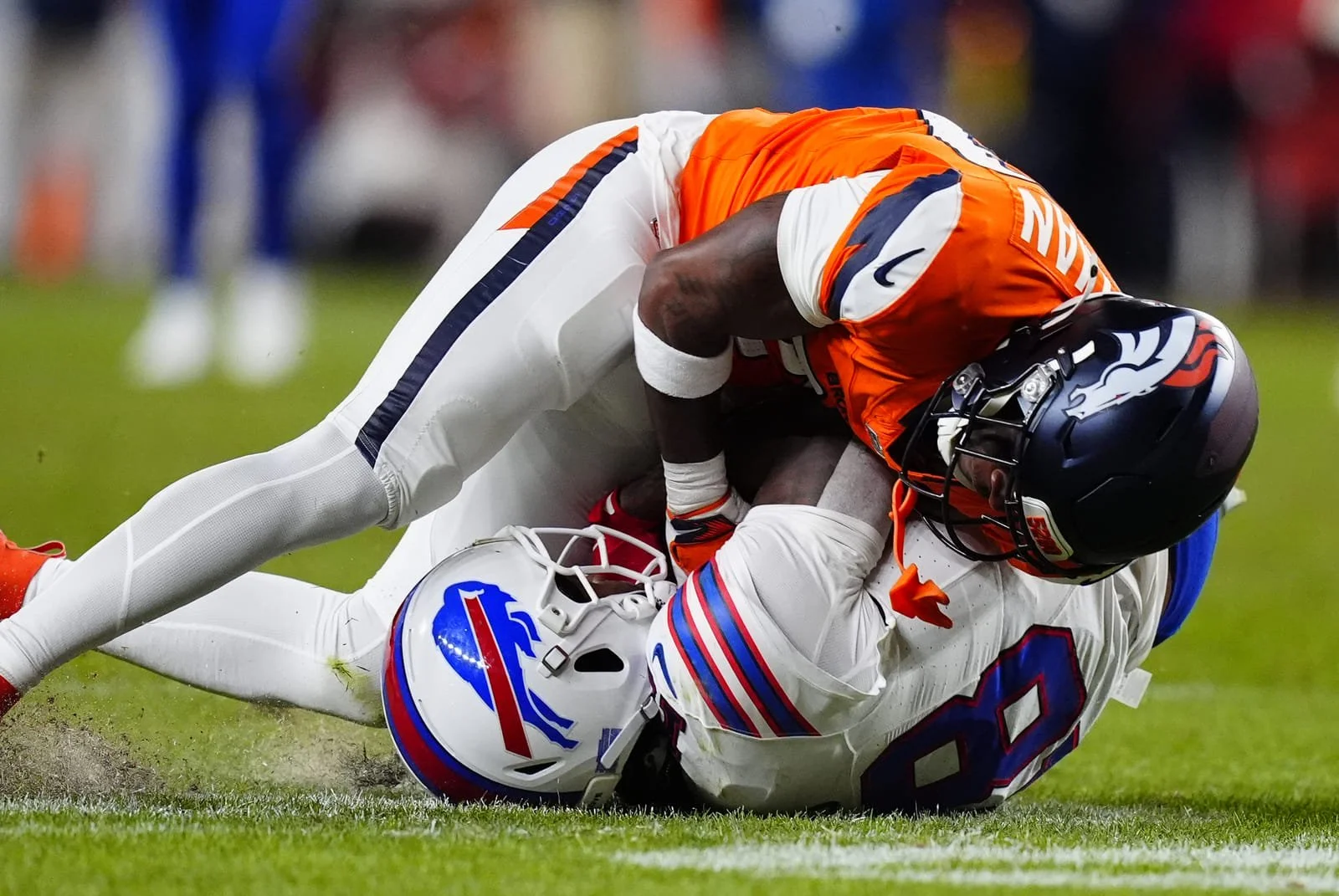
The contestants for the Super Bowl were decided Sunday in Denver and Seattle.. One in a raging snowstorm, the other in a blizzard of TDs. Outside a Keystone Cops call/ non call on a Denver fumble/ pass, for once the referees managed to curb their addiction to covering the field with flags. But people were still buzzing about a controversial call in overtime in the Buffalo/ Denver Divisional matchup the previous Saturday.
The video of Bills receiver Brandin Cooks apparently catching the ball, having his knee touch down and then having the ball stolen by defensive back Ja’Quan McMillian received Zapruder-like scrutiny.
In a rushed decision (the game was threatening to run long into the second game Saturday) the referees awarded the ball to Denver. To coach Sean McDermott, who sat on the NFL competition committee, the play needed more study. The grateful Broncos then went on to kick a field goal to win the contest 33-30, crushing the Bills’ hopes of a Super Bowl yet again.
While the decision was controversial, what followed was no less so. A frustrated Bills owner Terry Pegula, seeing his weeping players in the dressing room, fired longtime head coach Sean McDermott. Then he promoted GM Brandon Beane, equally culpable in the disappointment, to president of football operations/ GM. Needless to say the Bills Mafia was incensed and the football world baffled by the move.
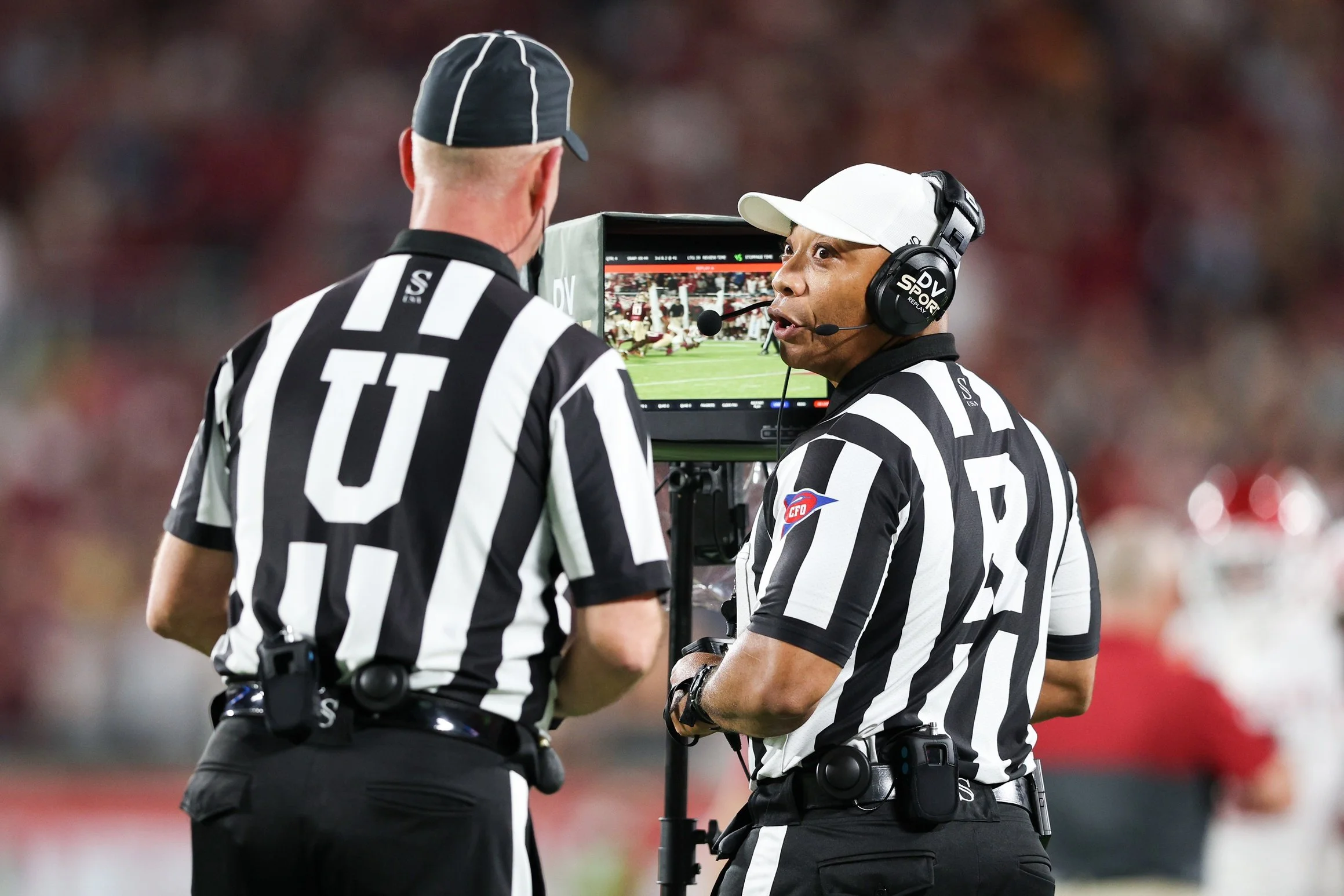
Pegula intimated that had Cooks been awarded the ball and the Bills won the game, McDermott would have coached the AFC Championship game against New England and maybe kept his job for 2027. So much resting on a single debatable play that was dissected endlessly in the media. Others said that video replay is ruining the game with endless interruptions and time wasting.
The real takeaway from Too Many Cooks is how slim the margin of winning is in today’s NFL. Gone are the days when Buffalo surrendered 55 in a Super bowl. The current Bills might have gone to four Super Bowls were it not for a half dozen plays over five playoff seasons. The Kansas City Chiefs might have missed one or two of their titles. And so on. The day of decisive wins has given way to the cliffhangers decided on a play or two.
But there’s a price that’s paid for parity, stretching the talent thinly over 32 teams. The margins between top and bottom teams becomes razor thin. Lesser players are far more likely than stars to cheat to make a play. The more teams, the greater the chance of narrowing the gaps via fouls. The more referees take centre stage.
Or as the NFL says, On Any Given Sunday the best can be worst and the worst be first. More and more those plays are left to the referees' discretion as they sort through a thicket of rules handed down by the competition committee. Needless to say flag day leaves no one satisfied— as the Bills/Broncos demonstrated.
It leaves a lot of ill will among fans and plenty of skepticism from bettors and fantasy players about the integrity of the product. While it’s likely that this past Sunday’s games will garner huge ratings (especially with the arctic cold outside) there is some question as to whether the NFL might be heading for the fate of others sports.
Remember that, until the Super Bowl era, the big American sports events were boxing matches, the Triple Crown, the World Series and college bowl games. (In Canada it was the Grey Cup, the Stanley Cup and the Brier.) Most, if not all, have been pushed aside by the NFL marketing colossus.

But who’s to say the NFL might not simply revert to simply a gambling proposition when fans tire of the seeming injustice of referees deciding everything in an over-adjudicated game? Or when the personal connection of having played the sport, is eliminated?
As far back as 2016 we wrote, “Canadian author and social behaviour wonk Malcom Gladwell famously remarked that, in 25 years, no one will play football. In the weeks after making the remark, Gladwell expanded his hypothesis to say that the NFL is living in the past and has no connection to the society it inhabits.
This attention grabber seemed a little far-fetched when Gladwell spoke. The NFL has lapped the field in popularity among team sports and rakes in over ten billion dollars a year from TV networks anxious to broadcast the games. If ever there were a lock cinch for security it’s the NFL shield and its attendant communication, marketing and gambling tendrils.
But now the first chinks in its armour are perhaps starting to emerge.” Can you say Bad Bunny in a dress as the Super Bowl halftime show?
Writer Chuck Klosterman’s new book Football sees football’s problems in comparisons to horse racing. “In the 1920s, the average person still had a real relationship to the culture of horses. They had a blue-collar job, and horses were still doing some of the labor… They definitely saw horses all the time. The horse was part of the world in which they lived.
That is no longer the case. Now, horse racing is just for people who own horses and people who gamble on it. That's really all it is. My fear is that football's gonna put itself in a position where it's too big. Its tentacles reach too far. And people will say, "Well, I guess we'll choose something else." And when it collapses, something that size collapses hard. It kind of implodes on itself.
“What's happening with the way money operates in pro and college football, it seems precarious to me. The financial side's changing in an exponential way. And when society shifts, it's the big things that can't. They're not nimble. The small things can.”
Remember. Things change. Back when the Patriots started their Super Bowl run Democrats were in favour of deporting illegals. So for now enjoy the games. Tolerate the refs. And pray that leagues go to divisions like soccer does.
Bruce Dowbiggin @dowbboy is the editor of Not The Public Broadcaster A two-time winner of the Gemini Award as Canada's top television sports broadcaster, his 2025 book Deal With It: The Trades That Stunned The NHL And Changed Hockey is now available on Amazon. Inexact Science: The Six Most Compelling Draft Years In NHL History, his previous book with his son Evan, was voted the seventh-best professional hockey book of all time by bookauthority.org . His new poetry collection In Other Words is available via brucedowbigginbooks.ca and on Kindle books at https://www.amazon.ca/dp/1069802700