
Remembering Lotfi Mansouri And the Brutal Iranian Spring Of 1979
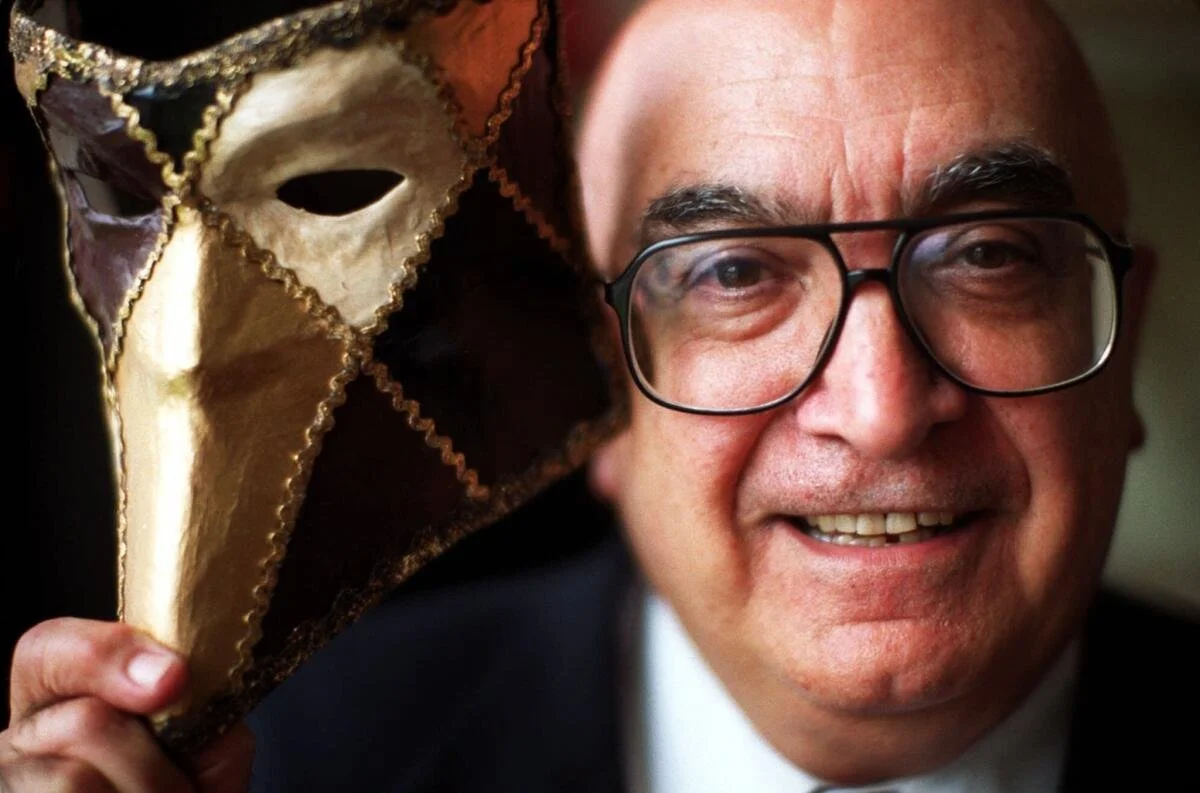
Back in the day— when we were attempting a career in the performing arts— we worked for the Canadian Opera Company. It was 1979, and the COC was presenting Bizet’s opera Carmen at the Royal Alexandra Theatre in downtown Toronto. It was an exciting time to be young and surrounded by `the magnificent voices and stirring music of Bizet’s famous work.
But the most striking person in that spring of 1979 was the COC’s general director Lotfollah “Lotfi” Mansouri. A striking figure with a bold Yul Brunner gleaming pate, he’d been born in Tehran then came to North America to study. When we met him he’d been the general director of the COC since 1976. Seeing him soothe and cajole the singers while orchestrating the large cast was a lesson in arts generalship.
He later recommended us for a spot in Canada's National Theatre School— a not inconsiderable action during production weeks to have time for a lowly production assistant. Carmen was a great success and cemented a love of opera that continued after the NTS when we later worked for Festival Ottawa in the summer of 1981.
But that spring of 1979 was different for Lotfi . Since we had visited Iran the year before a clerical revolution led by Ayatollah Khomeini had kidnapped 66 Americans in the U.S. embassy in Tehran. It had expelled the Shah of Iran, forcing his expulsion from the country. (He died in Egypt.) Worse, it had imposed strict sharia law on the country.
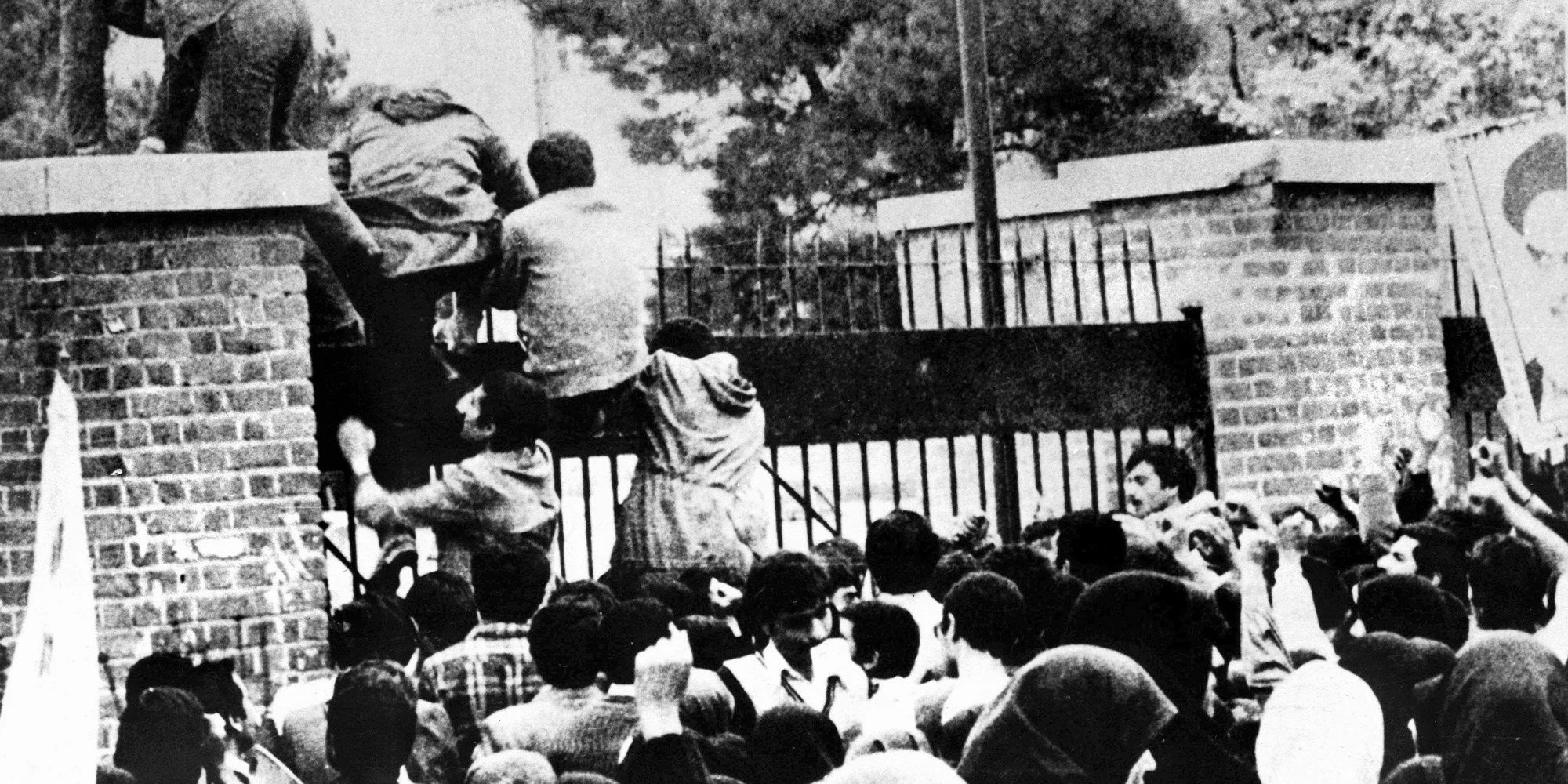
Everywhere supporters and functionaries in the Shah’s liberal regime were being rounded up, imprisoned and executed. It was a time of terror for anyone associated with America’s regime in Iran. Thousands disappeared or were publicly executed. It was a terror organization that was to continue till this day.
Lotifi knew many of the people who were disappearing or being killed. Some were family. Some were friends. Some were colleagues in the arts world. It was a time of terrible stress for him. Getting daily helpings of tragic news even as he advanced the production of Carmem to a successful opening night.
And yet there was hardly any indication of his distress to those of us surrounding the production. He had told some people in the company what he was experiencing, but the rest of us were unaware how each morning must have brought a terrible burden for him. He hid his sadness very well.
Since those opera days we have followed all the abortive attempts to depose the clerics, from Jimmy Carter’s ill-fated desert rescue disaster to the Green Revolution stand-down during Obama’s presidency.
Lotfi died in 2013 having never seen his native country restored to some sense of sanity. We thought about him again this week as President Trump— in conjunction with Israel— launched an attack on Iran’s regime. So often international events are a distant mirror of reality. But seen through the prism of Lotfi’s life and our own time in Iran in 1977-78 the news of the day is more tangible.
Watching the explosions in Tehran, Tabriz, Mashad and Qom recalls a young tourist in those streets and squares, seeing the descent into a 14th century theocracy and the crushing of western liberal thought via the Shah. It is a chilling reminder. In those days of the 1970s Iran was seen as a potential Persian version of Israel, a historic, educated society on the precipice of a modern tech and business success story. Its oil reserves guaranteed the financing to make their dreams come true.
Alas, that dream died when the hostages were seized and America put a target on the mullahs. Iran is now more known for blowing up its enemies than building a future. For most people their vision of modern Iran comes from the Academy-award winning film Argo which showed the efforts of Canada and American intelligence in freeing American diplomats trapped in Tehran in 1980.
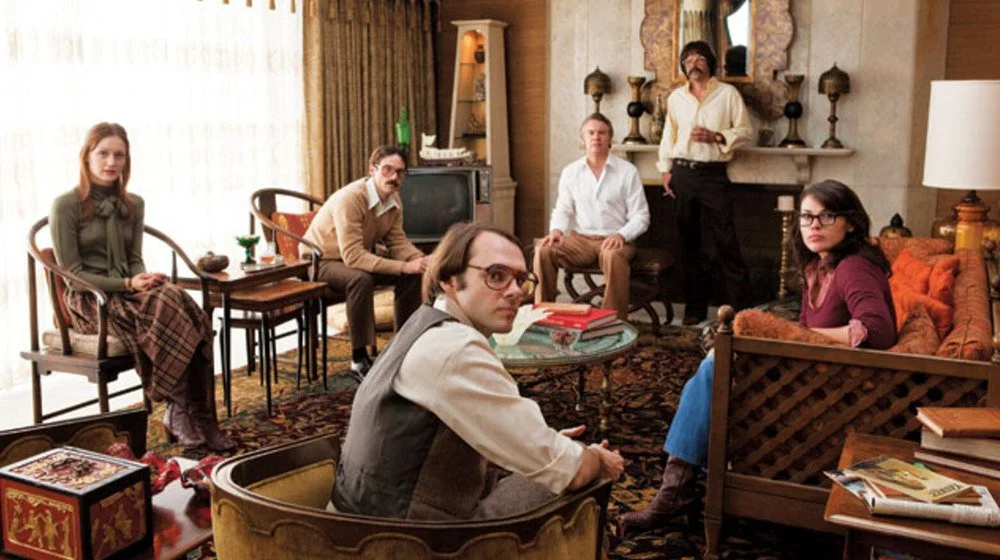
While it exaggerated some facts, the plain truth of spiriting Americans under Canadian passports in post-revolutionary Tehran was a crowd pleaser. When Canada learned that the American producer Ben Affleck had played down its role in the film, a new ending was stapled onto the film showing Canada celebrating its hero Ken Taylor.
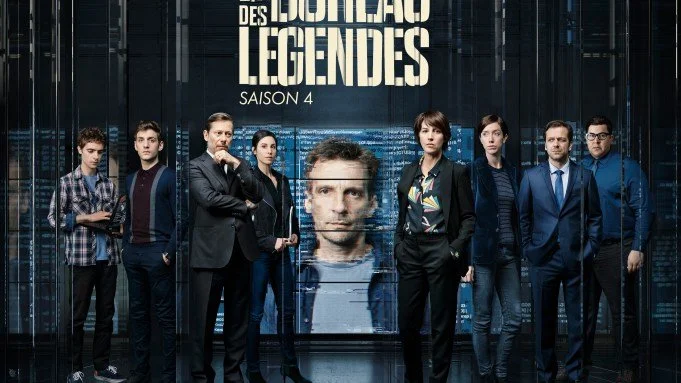
For those who want a more nuanced view of life in modern pre-attack Iran we would recommend the acclaimed 2015 French TV series Le Bureau. Concentrating on the activities of France’s secret intelligence service, it won many awards and fans for its incisive take on middle eastern geopolitics. The second season involves a French woman spy sent to work undercover as a specialist in seismology, in order to gather intelligence about Iran's nuclear weapons programme.
While the undercover drama is compelling the portrait of Iran’s two-tiered culture is a revelation. It shows a modern privileged sector of society allowed to party and indulge so long as it doesn’t get involved in challenging the politics of the mullahs. This was the segment of Iran that Lotfi might have known. What comes next is anyone’s guess. Liberal democracy could re-emerge or a different strain of authoritarian rule might evolve.
But it will never recover the lost 47 years with Iran as an international pariah.
Bruce Dowbiggin @dowbboy is the editor of Not The Public Broadcaster A two-time winner of the Gemini Award as Canada's top television sports broadcaster, his 2025 book Deal With It: The Trades That Stunned The NHL And Changed Hockey is now available on Amazon. Inexact Science: The Six Most Compelling Draft Years In NHL History, his previous book with his son Evan, was voted the seventh-best professional hockey book of all time by bookauthority.org . His new poetry collection In Other Words is available via brucedowbigginbooks.ca and on Kindle books at https://www.amazon.ca/dp/1069802700