
Draft Leverage: How NIL Has Blown Up The Development Model
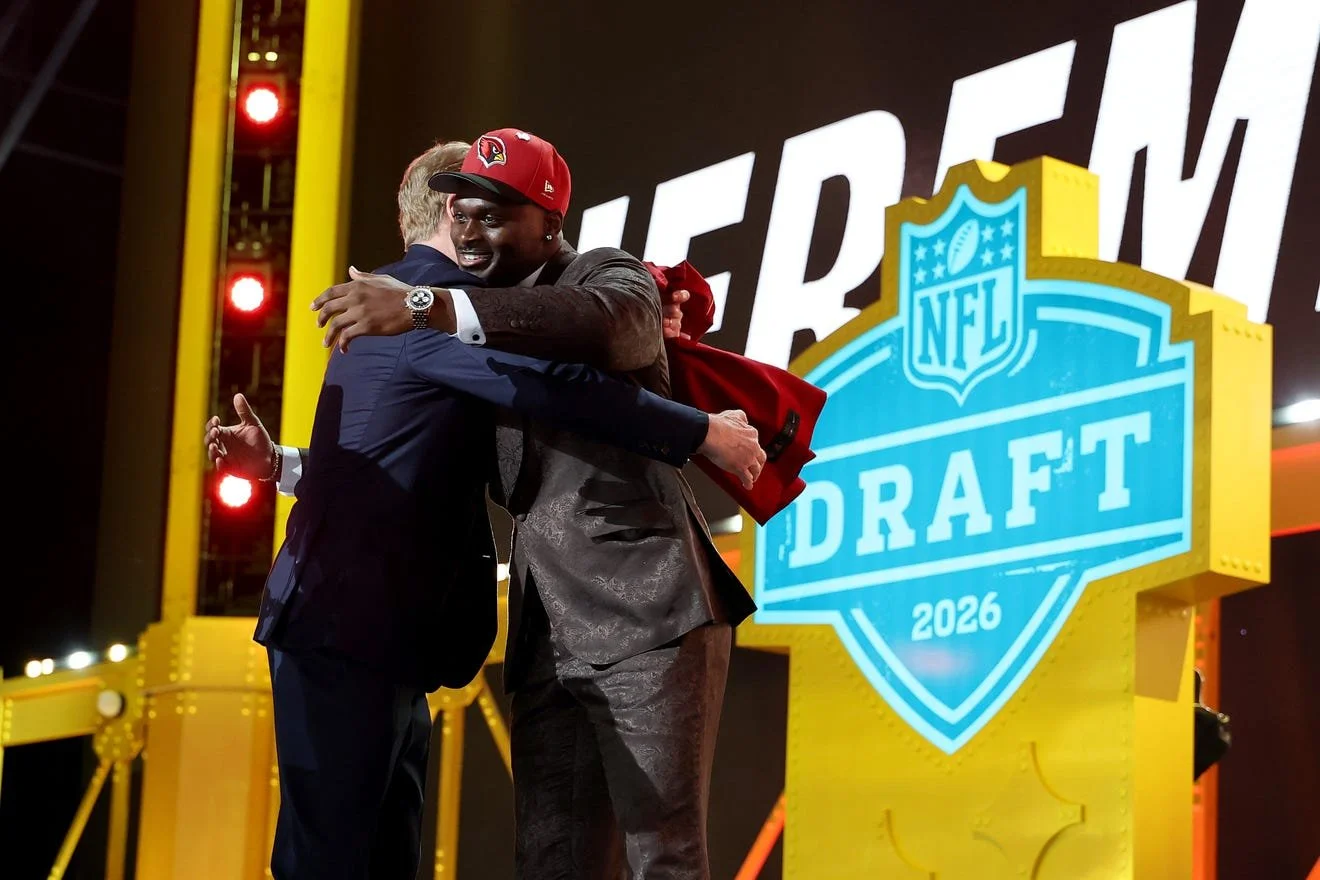
You have to admire the owners of pro sports leagues like the NFL. “Captains of capitalism”, this past weekend they engaged in a distribution of players that Avi Lewis would like. Every team according to its needs. Every player according to his desire to play football. Just as the NHL, NBA and MLB do this televised triage, the NFL works a formula they’ve used since 1936.
This being the NFL they’ve turned this enforced employment scheme into an huge entertainment opportunity in the offseason, drawing hundreds of thousands to see names called, tears cried and excited rookies buy twin Maseratis (@200 K) for their Mommas and sister. ( Note: The most the rookie will make in signing his deal is $1.2 M.)
But if it all looks traditional, beneath the surface of this and every pro sports draft is a seismic change . After years of litigation undrafted college and amateur players earned the right to their Name, Image, Likeness. It refers to a person's legal right to control how their image is used, including commercially. In the world of TV, digital and AI sports that’s a huge amount of money. https://www.todayville.com/destroying-the-development-system-expect-turbulence/
TV rights to the NCAA March Madness brought in over a billion US dollars last year. The rights to its other properties earned them $1.5 B in 2025. This meant that athletes who previously received nothing but a scholarship could now get a piece of money their schools or teams made from broadcasting and media deals. Ka-Ching! Suddenly players went from being supplicants to being recipients.
It was not just TV deals. Media sponsorships also filled their wallets. As one example, Falcons running back Bijan Robinson began selling Dijon mustard, marketing it as Bijan Mustardson in Texas. Not all are big deals. Louisiana Tech receiver Decoldest Crawford (his real name) capitalized on his name to earn some extra money while injured. The wide receiver partnered with a family-owned air-conditioning business to make a commercial based around the pun.
And NIL gave them the independence to shop schools for the best deal in the “transfer portal” Now every offseason in the NFL, NBA, MLB and NHL sees a Jenga game of players dumping their last school for another with more money snd— just as importantly— better coaching to refine their resumé. Many of the players taken in Pittsburgh this past weekend have had multiple college stops before hearing their name called.
As NFL GMs and personnel executives noted this past weekend, particularly at the back end of the draft, the NIL effect gave athletes the option to stay another year in college, collect a tidy paycheque and then apply for the 2027 Draft. In one case, Tua Tagovailoa's brother Tai was reportedly offered $6.5 million to stay at University of Miami. He might not make that much in the NFL this year. So he stayed in college to try his luck.
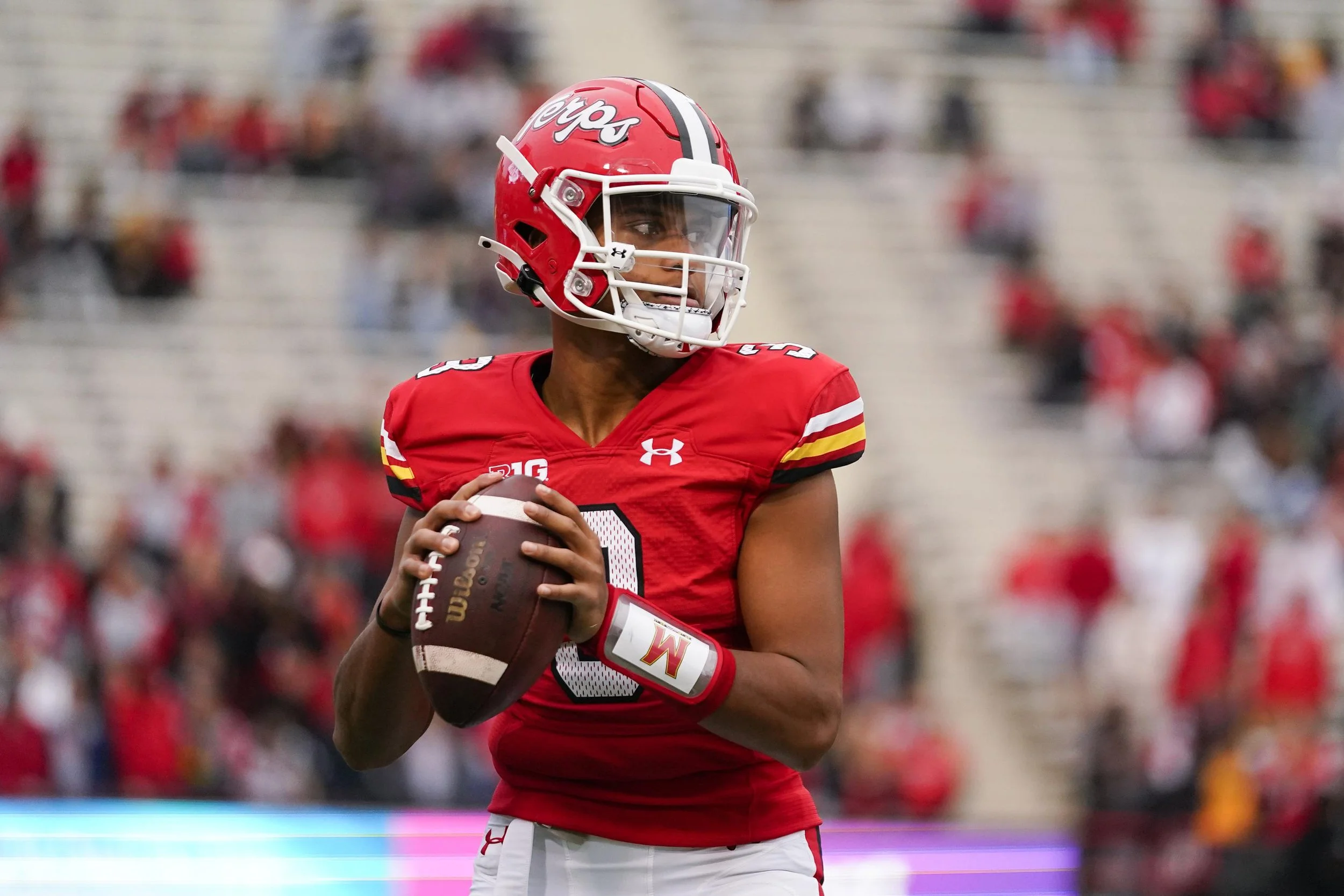
Why not? Here are the top five NIL payouts in NCAA football for 2026: 1. Texas QB Arch Manning ($5.2 million) 2. Ohio State WR Jeremiah Smith ($4.2 million) 3. LSU QB Sam Leavitt ($4.0 million) 4. Texas Tech QB Brendan Sorsby ($3.1 million) 5. Michigan QB Bryce Underwood ($3.1 million).
To put it mildly NIL has scrambled all boats in the sports industry. That includes the NHL, where the combination of NIL and the end of restrictions on players with CHL experience getting scholarships has been lifted. Now top prospects of college age can play in the CHL a couple of years and then flip to the NCAA for grooming, higher profile and money.
This season emphasized the change as Gavin McKenna, a forward widely projected as the No. 1 pick in the 2026 NHL Draft, left the CHL to commit to Penn State, while Keaton Verhoeff, a defenceman also projected as a top selection, landed at North Dakota.
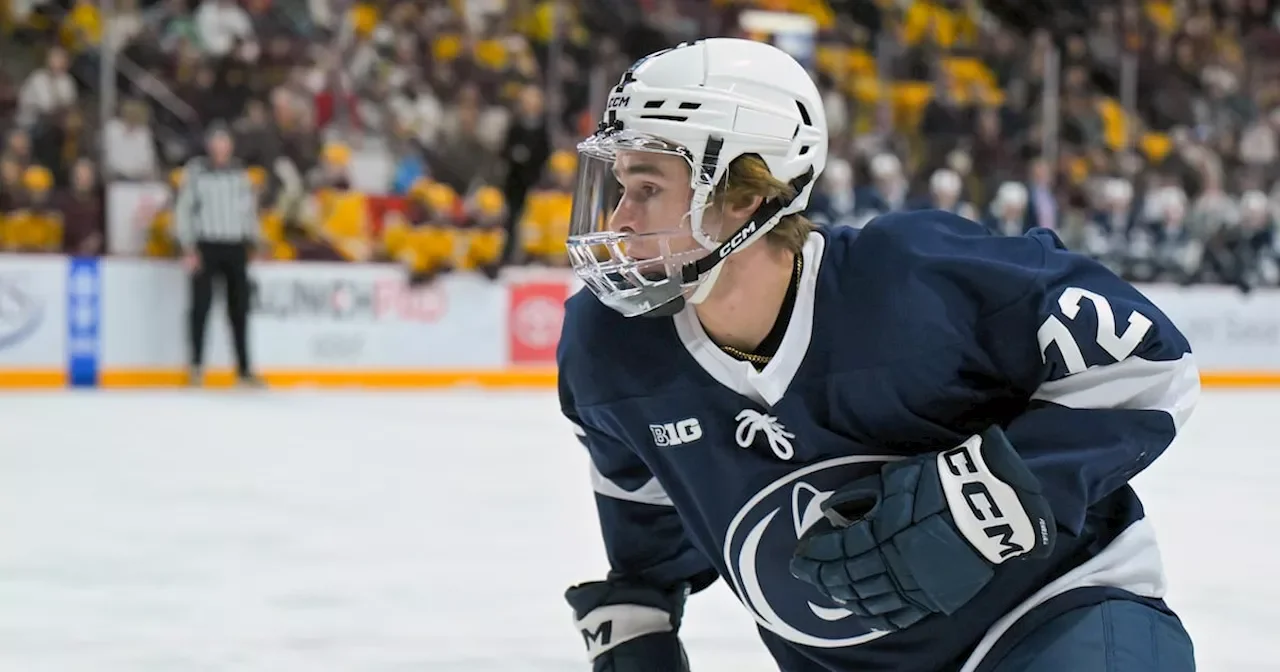
It’s early days in the hockey experiment. The NCAA and CHL are contrasting models of development with the U.S. leagues playing fewer games. Travel, facilities and educational opportunities can favour the NCAA. “I do think that is the single biggest development in college hockey probably in my lifetime, and I’m 41,” Chris Peters, an NHL draft and prospect analyst for FloHockey, told Cronkite News.
“Now they have the option to go the NCAA route where there is going to be more opportunity for exposure, development and other things that allow them to potentially earn a better pro contract.”
The disclosure of the money used to lure players will also prime the pump, says Shane Malloy, host of Hockey Prospect Radio on SiriusXM. “Everybody’s going to eventually figure out what players are getting what, and then it’s going to get tracked and it’s going to be on a website. Somebody out there is going to start tracking that.”
The NIL dollars in NCAA hockey are a fraction of the major sports, but they are growing as the U.S. Olympic gold medal inspires the sport in America. Early in 2026, nearly 75,000 people watched a Penn State college hockey game, held in the nation's second-largest football stadium.
The CHL model will survive, but perhaps as an adjunct to a larger prospect model. If enough of the top prospects leave the CHL it will hollow out a model that has been too bloated (63 teams) for decades. Some suggest they may merge with the United States Hockey League as a separate tier in the chain.
But there’s no doubt that NIL is cutting a swath through the development system. How deep it cuts remains to be seen.
Bruce Dowbiggin @dowbboy is the editor of Not The Public Broadcaster A two-time winner of the Gemini Award as Canada's top television sports broadcaster, his 2023 book Inexact Science: The Six Most Compelling Draft Years In NHL History, was voted a Top 20 greatest professional hockey books of all time by bookauthority.org . https://www.amazon.ca/dp/1770415300?linkCode=gs2&tag=uuid0a1-20 His previous book with his son Evan, Deal With It: The Trades That Stunned The NHL And Changed Hockey is now available on Amazon. His new poetry collection In Other Words is available via brucedowbigginbooks.ca and on Kindle books at https://www.amazon.ca/dp/106980270