
Warning Signs Are Out: No MLB in 2027
Don’t hate the player. Hate the game.— Ice T
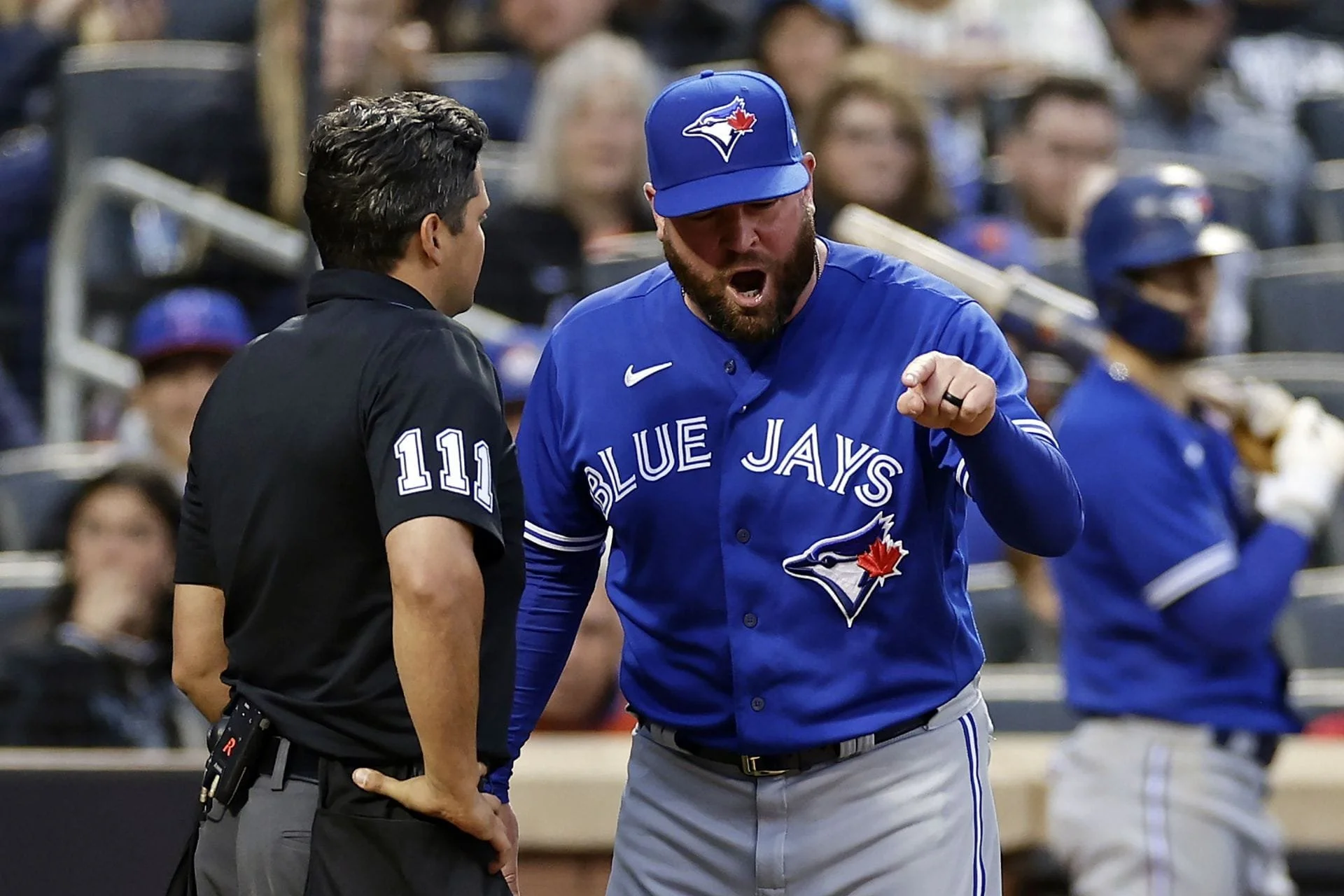
Enjoying this MLB season? Good. Soak it up, because baseball is on the path to go dark in 2027.
The surest sign came last week when the owners forwarded their initial offer in collective bargaining to replace a luxury tax system. To no one’s surprise it’s a declaration of war. Hard salary cap, hard floor, 50-50 revenue split, and centralization of all TV revenue. MLB calls for a firm salary cap of $245.3 million with a hard floor of $171.2 million.
This after the MLB Players Association, the gold standard in sports unions, filed their own submission. While MLB wants to take a sledge hammer to their sport the MLBPA is looking more at a reno.
“They’re talking two different languages. The players want to keep the current system intact with some modifications,” Ken Rosenthal of the Athletic said on Fox Sports. “The owners want an entirely different picture. They want to change, radically, the game’s economic system… What we’re looking at here are two parties that are not even close to middle ground.”
MLB commissioner Rob Manfred is all understanding and cooperation. ”At the outset of negotiations, I went and said myself, 'We're open to whatever ideas people have, but we need a realistic framework that addresses the fans' concerns about competitive balance.' You just can't ignore that financial penalties have not gotten it done for us.”
Stop us if you’ve heard this one before. Baseball’s labour history is riddled with pyhrric victories and colossal catastrophes. Montreal Expos fans will bitterly remember the 1994-95 strike, which canceled 938 games, and the 2021-22 lockout, which postponed the 2022 opening day but did not cancel any games. In all there have been nine stoppages so far.
We did a complete analysis of the labour war in our 2018 book Cap In Hand: How Salary Caps Are Killing Pro Sports. brucedowbigginbooks.ca It makes the Hundred Years War seem like a short sojourn.
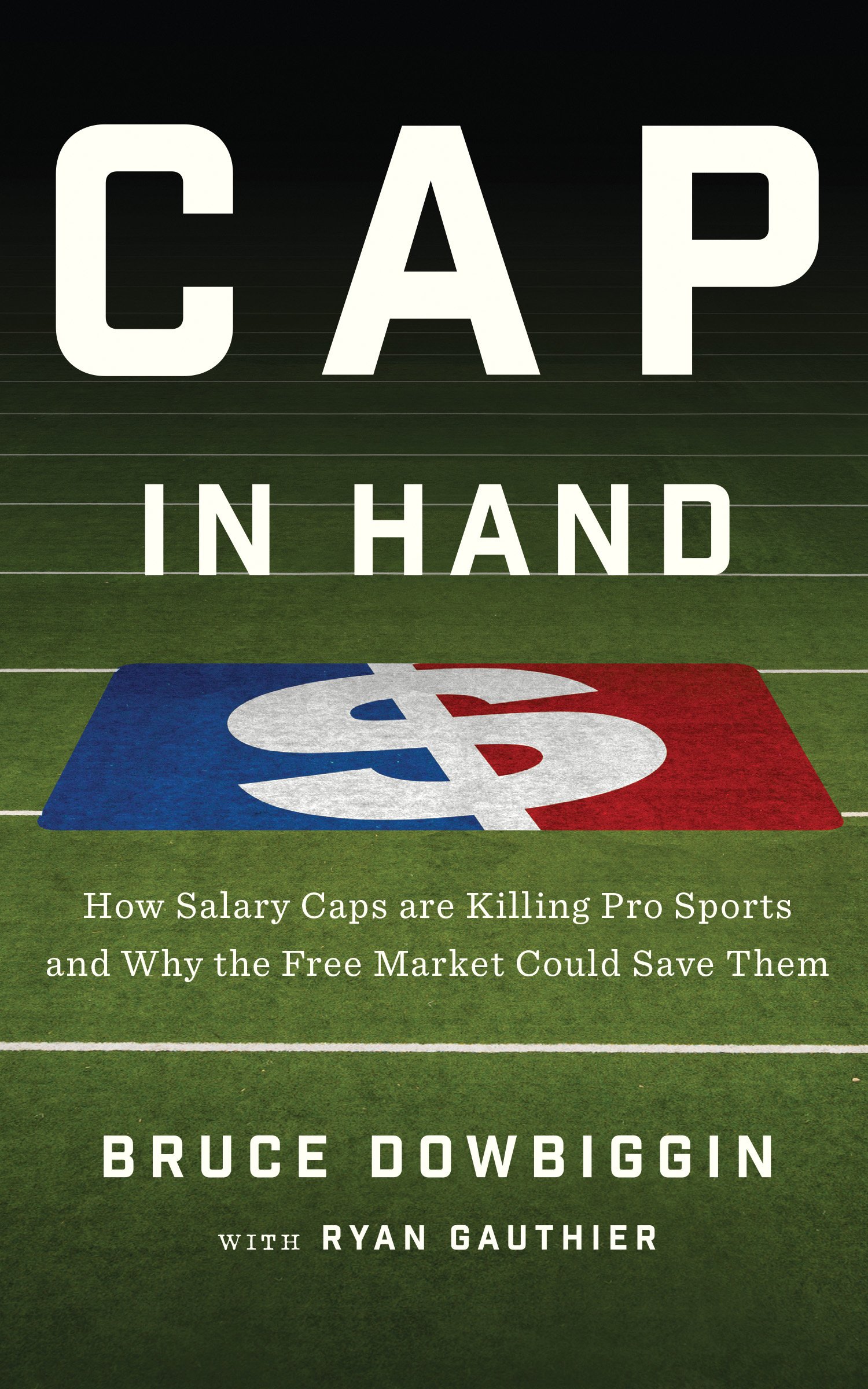
If you’re getting the feeling this is all about salary caps, you’re right. All the other major North American sports have one. (As we show in Cap In Hand international leagues depend less on restrictive caps and more on the letting the big dogs eat). With MLB clubs now worth a record $2.6 billion on average— the Yankees are worth $8.6B while the Dodgers are $6.8B— a salary cap seems a puny thing.
Other than salary-cap envy why so upset? Management’s line is that many small market teams are uncompetitive. “The Dodgers and Mets have payrolls in the $360-$400 million range,” says former MLB executive Jim Bowden, “while the Marlins, Guardians and Rays are all in the $75-$85 million range. That’s just too much separation, at least in theory, for the league to have any real competitive balance.”
The key phrase here is “in theory”. Because where fans hear “uncompetitive teams” when salary caps are discussed, owners in all pro sports leagues hear making the workforce pay for the owners’ expansion to markets that can’t compete otherwise. Salary caps are so leagues can have 25 percent more teams than the market will bear. And drive equity. Instead of pursuing a better product you water down competitiveness so KC can artificially compete with LA. Tampa can compete with NYC. SAN Antonio compete with Chicago.
Imagine F1 telling their best drivers to slow down so they can go from 20 to 30 cars in each race. Unthinkable, right? But that’s what imposing a salary cap does in keeping 30 or 32 teams in a league that, at best, could sustain 20-25 teams.
[Sign up today for Not The Public Broadcaster newsletters. Hot takes and cool slants on sports and current affairs. Have the latest columns delivered to your mail box. Tell your friends to join, too. Always provocative, always independent. https://www.notthepublicbroadcaster.com/]
In the English premiership there are just 20 teams who all understand the price of doing business. If you can’t afford the price you drop down to the League Championship or lower leagues (see: Ted Lasso). There is no tanking the last third of the season as in the NHL, NBA and NFL. There is no rescue from as first overall draft pick.
In the “golden age” of the 1950s to 80s there was an incentive to add more markets. There were few if any national broadcasters. More markets meant expanding the pool of media and logo revenue. So you had an incentive to keep as many balls in the air as possible. Salary caps were the braking mechanism that allowed fans to dream their club could win.
But with every game available now on local or regional sources— and social media giants like Amazon, Disney, X and Apple buying in— salary caps are simply a salary-suppressing device, reducing individual salaries and payrolls.
As time has passed the mechanisms for making caps work have gotten ever more byzantine. The NBA has exceptions enabling teams to sign players even when their payroll is above the limit. Key exceptions include the mid-level exception, bi-annual exception, and Larry Bird exception. Wha’?
This is all done in the name of “parity”. Many gullible fans buy in to the notion that salary caps help competition— not the owners’ huge profits. In the same breath these fans nostalgically pine for the classic era when dynasty teams such as Montreal Canadiens won 18 Cups between 1952-1993, the Yankees won 18 World Series between 1938 to 1977 and the Boston Celtics won 15 NBA championships between 1957-76.
The tipoff is former pro sports owner/ now POTUS is all-in for helping his former partners get salary caps. Donald Trump: “If you don’t have a salary cap, you don’t have a sport.” “They had a chance to implement one a long time ago but they blew it.”
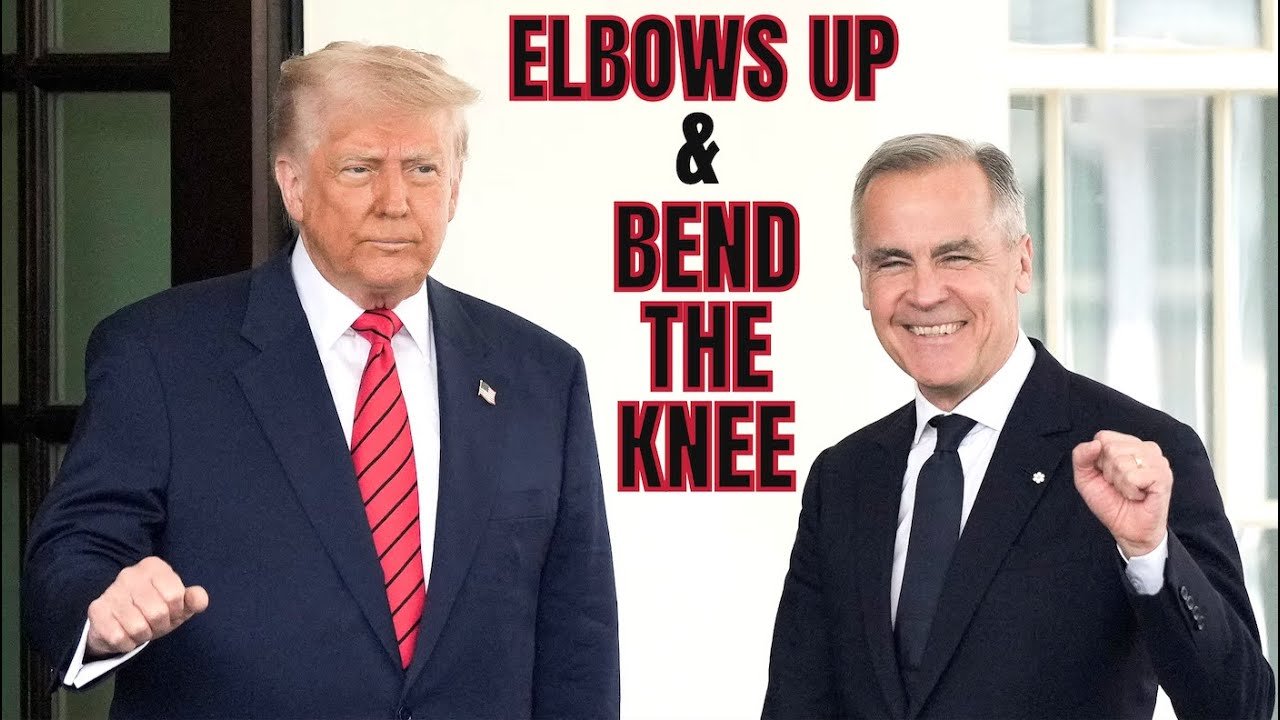
Now who you gonna’ believe? Your lying eyes or a guy putting on an MMA card on the White House lawn?
Bruce Dowbiggin @dowbboy is the editor of Not The Public Broadcaster A two-time winner of the Gemini Award as Canada's top television sports broadcaster, his 2023 book Inexact Science: The Six Most Compelling Draft Years In NHL History, was voted a Top 20 greatest professional hockey books of all time by bookauthority.org . https://www.amazon.ca/dp/1770415300?linkCode=gs2&tag=uuid0a1-20 His previous book with his son Evan, Deal With It: The Trades That Stunned The NHL And Changed Hockey is now available on Amazon. His new poetry collection In Other Words is available via brucedowbigginbooks.ca and on Kindle books at https://www.amazon.ca/dp/106980270